
Phone: +468 16 2000
Organisation number: 202100-3062
VAT No: SE202100306201

Research story | 2026-02-27
A lot of sustainability research focuses too much on a limited set of actions and actors and misses key strategies, new study finds.

Research story | 2026-02-26
Transitioning to renewable energy does, in itself, require energy. But how much? A new model finds that phasing out all fossil fuels in EU by 2035 would require up to 39% of the current total energy supply.
Research story | 2026-02-19
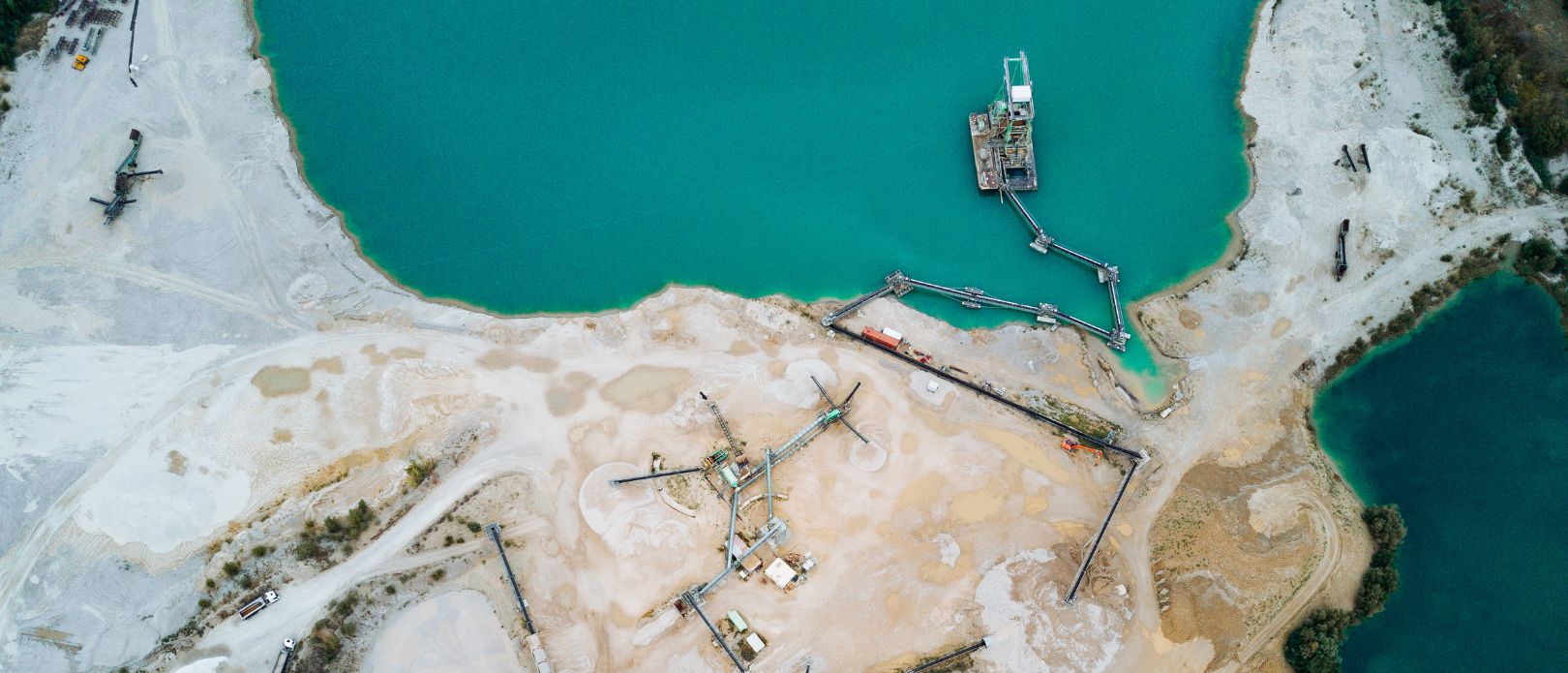
Sand is a critical material in the Anthropocene. But while a lot of research focuses on sand extraction, few studies have so far looked at solutions. A new article changes that.
Research story | 2026-02-11
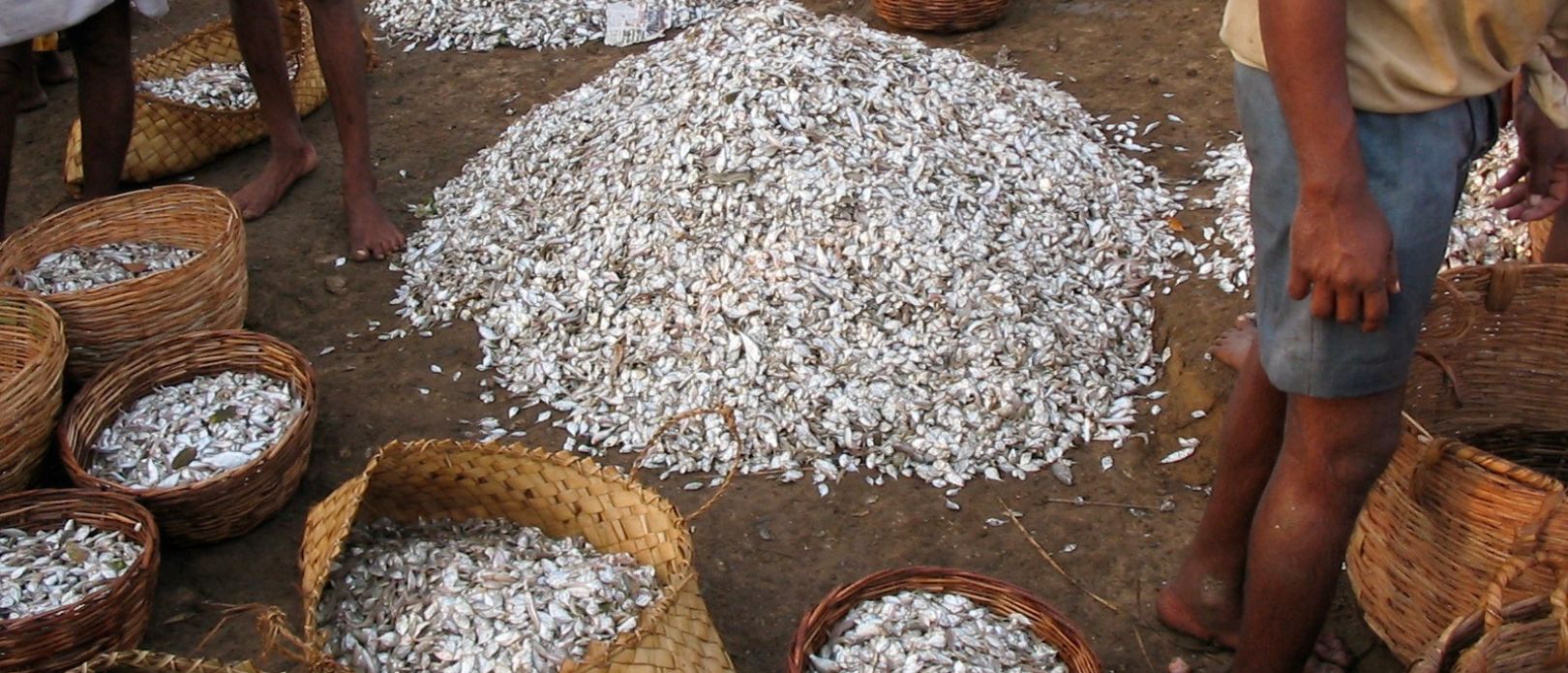
Aquaculture provides sufficient nutrients to meet the needs of up to 2.7 billion people for key nutrients such as Vitamin B12. But the feed that goes into these systems can diminish access to nutrition elsewhere.
Research story | 2026-02-09
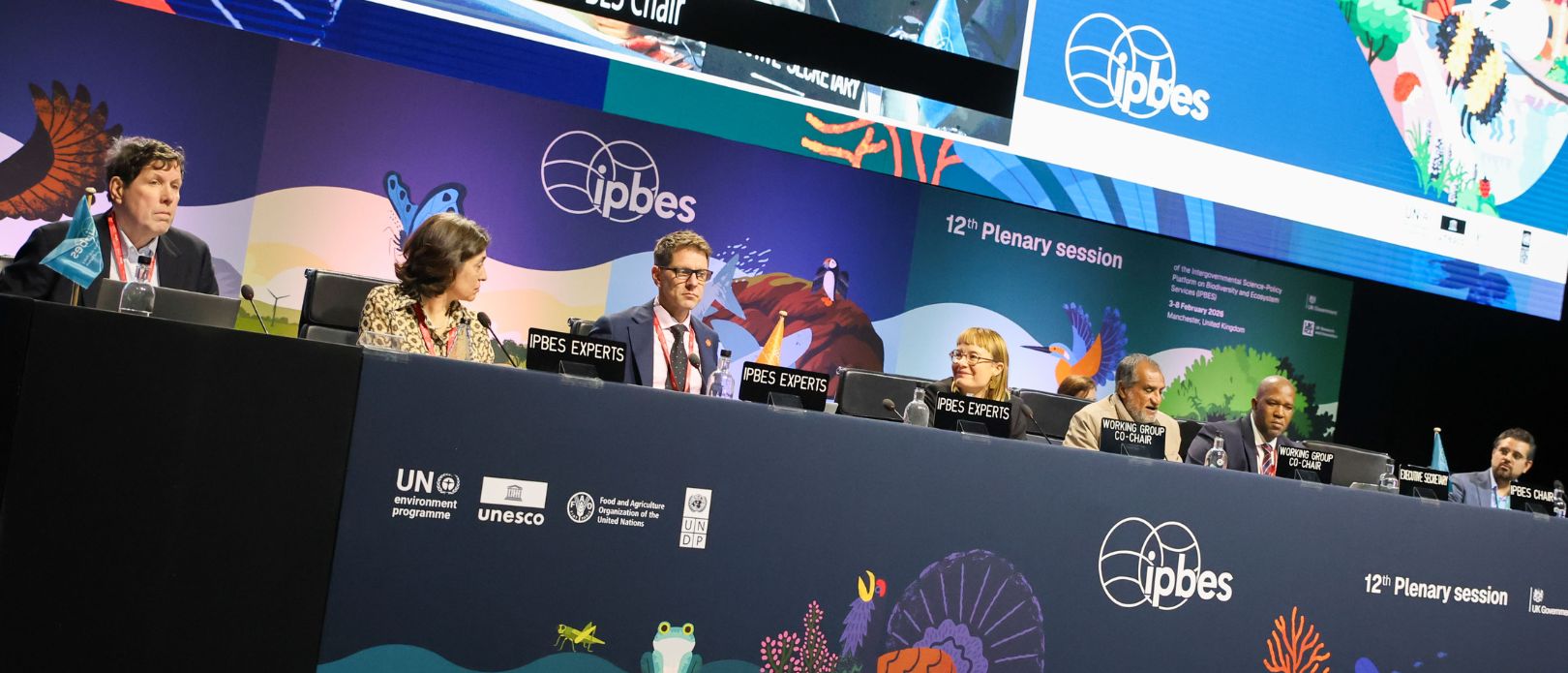
It is high time to redirect economic development so that it supports the nature it depends on, shows a new landmark report on biodiversity by the intergovernmental biodiversity platform IPBES, to which Centre researchers have contributed.
General news | 2026-02-09
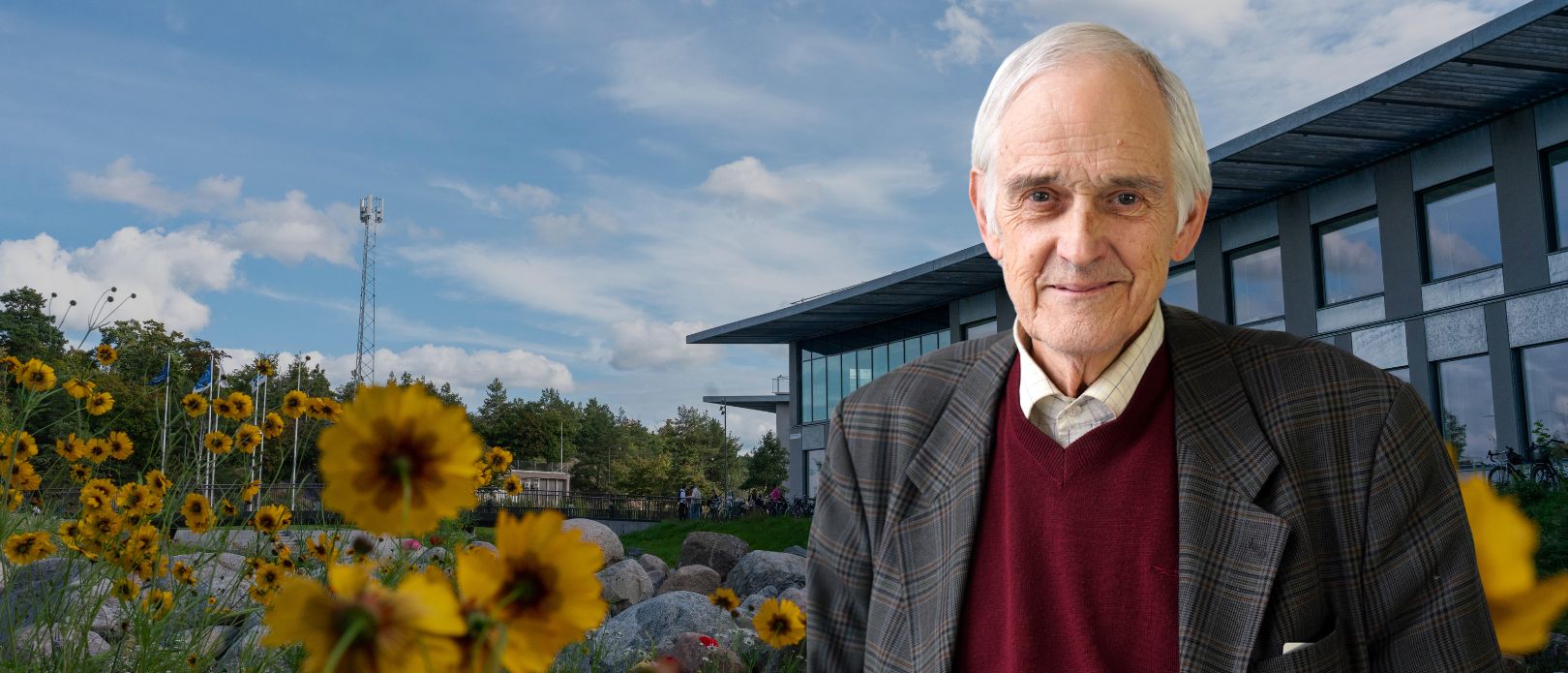
Stockholm Resilience Centre senior researcher and long-time friend Uno Svedin passed away on 30 January 2026.

Research in short | 2026-02-06
Despite widespread recognition that economic growth drives Ocean degradation, most future scenarios leave capitalism unchallenged. A recent paper argues that radically different Ocean futures become visible when growth itself is no longer taken for granted.
Research story | 2026-02-04
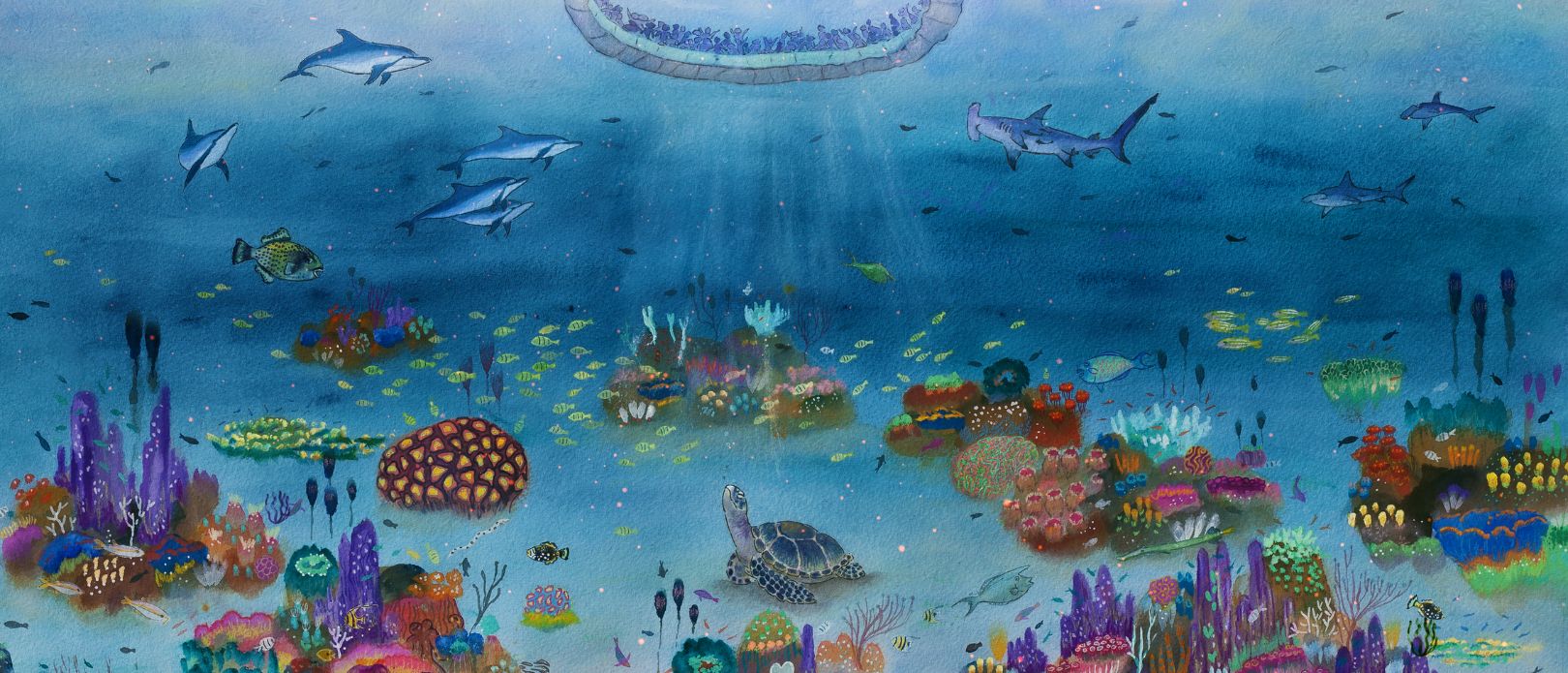
Warm-water coral reefs are passing a climate tipping point. This may lead people, governments, and funders to believe it is too late to save coral reefs. To counter this and inspire action, the authors of a new study presents three hopeful visions for the future of coral reefs: Reeftopia, Project Reefoir, and The Bay Revolution.

Research story | 2026-01-21
The emerging concept of ‘polycrisis’ can be instrumental for decision-making and transformations in a world of unprecedented planetary stress. But it should be used with clarity and care, shows a new study with 50 top experts published ahead of World Economic Forum in Davos.
General news | 2026-01-16
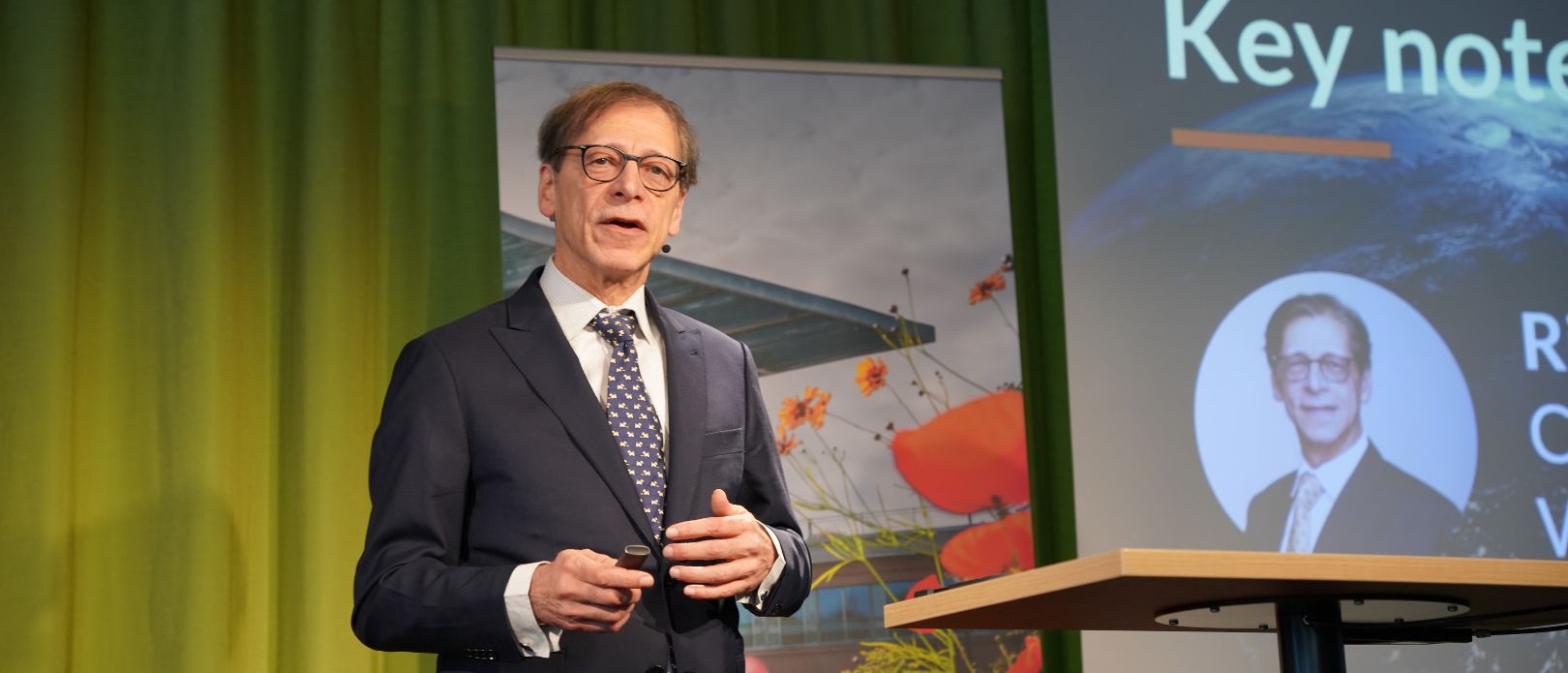
On 12 January 2026, the Centre hosted the Nordic launch of “Reboot Development: The Economics of a Liveable Planet”, the World Bank’s recent flagship report. It makes clear once and for all that investing in nature is not only good for the planet, it is smart development.

Research story | 2026-01-14
It is high time to strongly react to the current political tide by actively supporting academic freedom and dialogue on sustainability, says a new commentary in Nature Sustainability.
General news | 2026-01-07
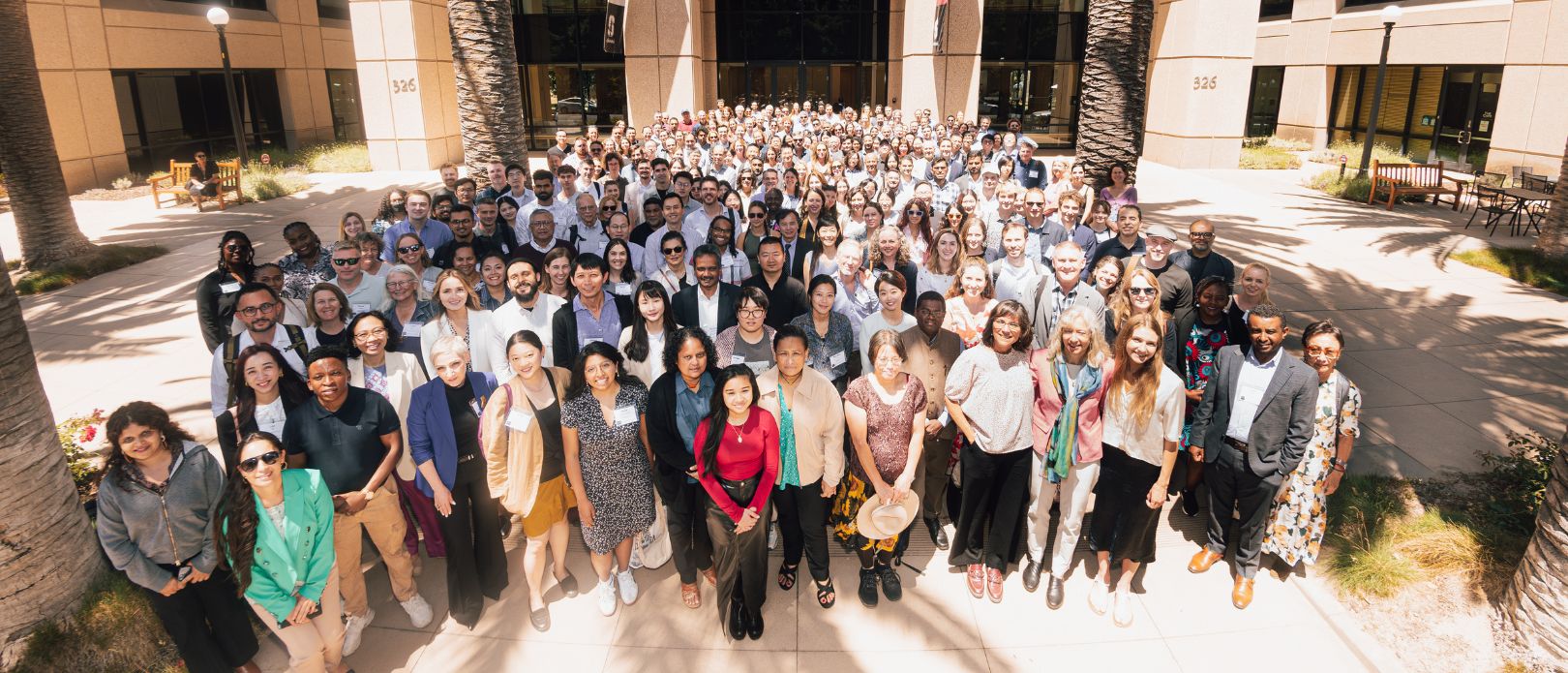
NatCap celebrates 20 years of valuing nature in decisions with a new name and tiered membership structure.
Research story | 2025-12-19
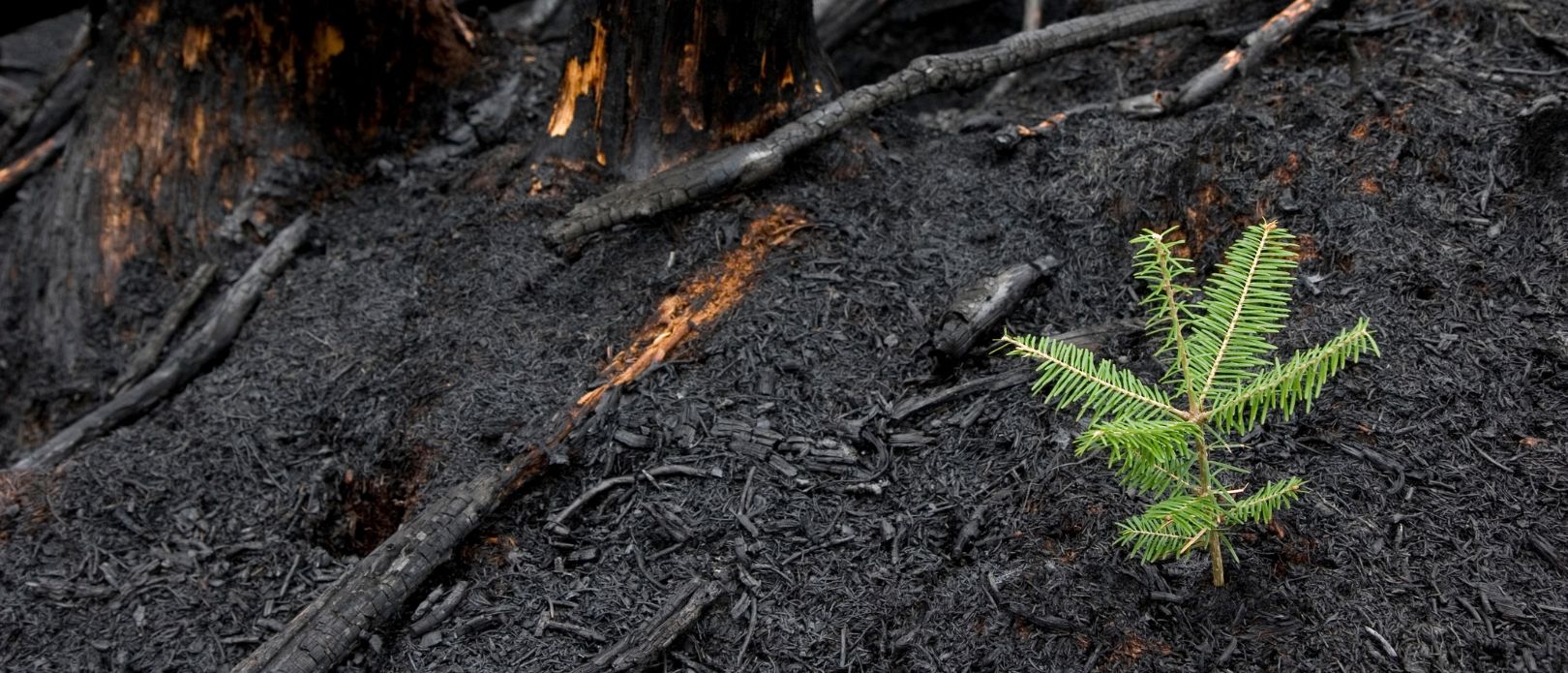
A new paper by Centre founder Carl Folke and colleagues explores how the emerging concept of regeneration compares with resilience thinking. Could bringing the two together hold the key to shaping more sustainable futures?
General news | 2025-12-17
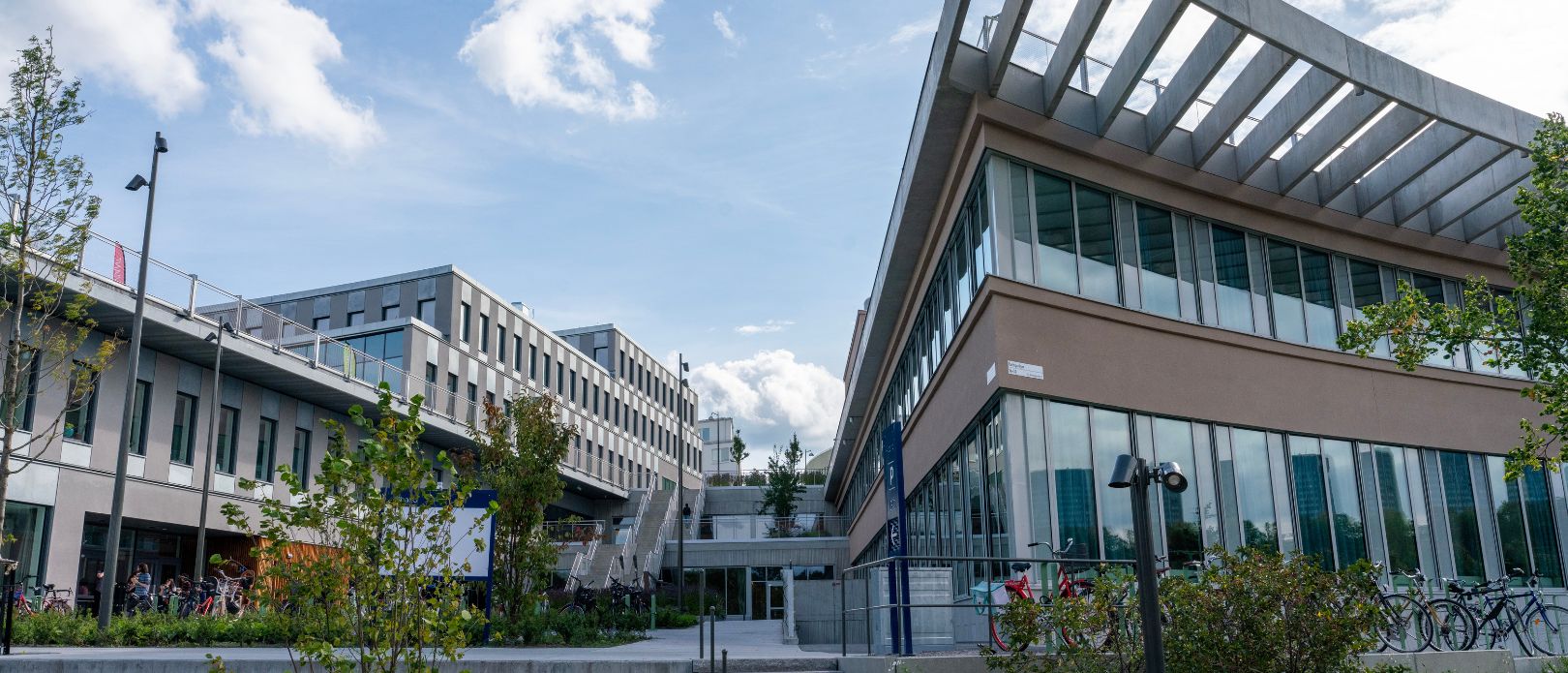
Centre researchers have been awarded a grant from two Wallenberg Foundations for research into resilient forest management, and seven grants from a recent Biodiversa+ call on transformative change for biodiversity
Research story | 2025-12-17
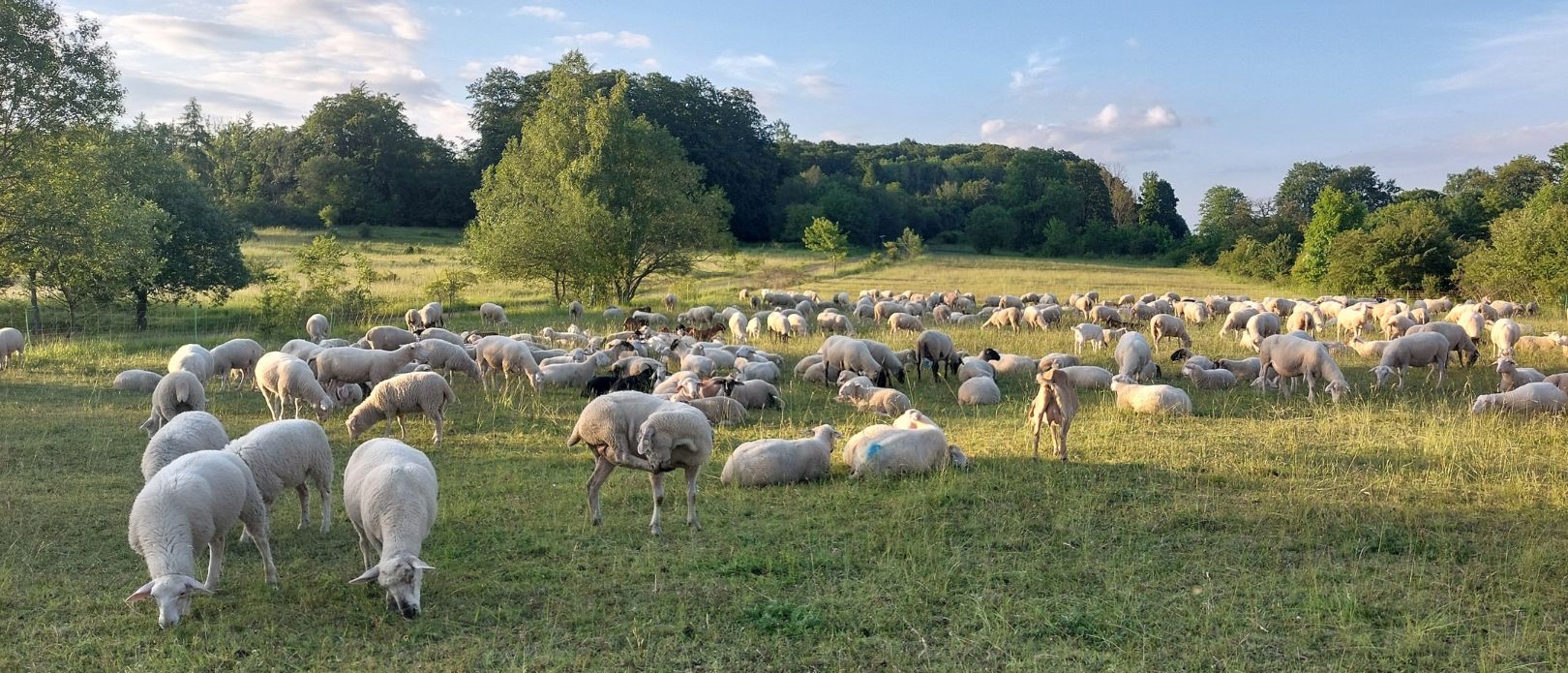
Protected areas foster local identity, support learning about nature, and provide spaces for recreation, working together and community engagement, according to a new study that looks at nature through personal stories.
Research story | 2025-12-15
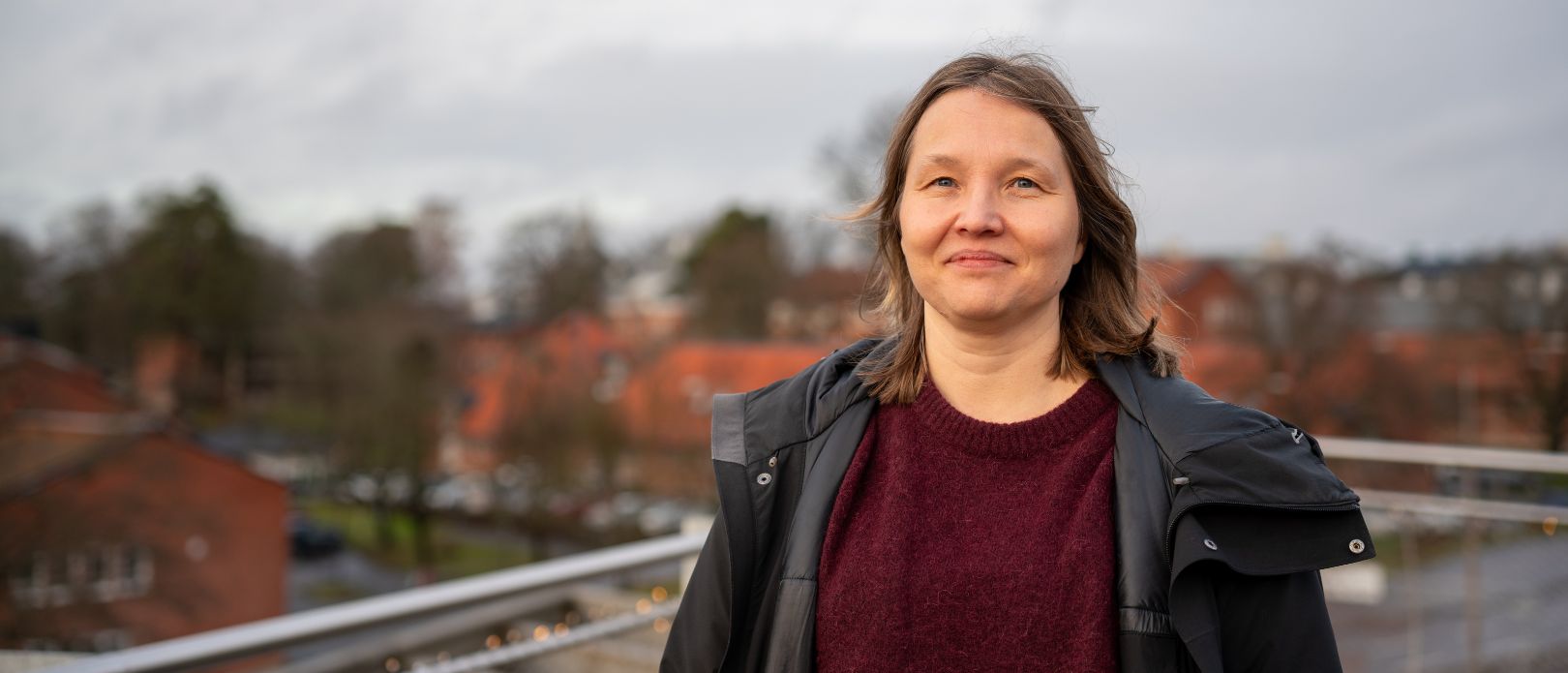
Centre researcher Susa Niiranen is setting sail for the Eastern Weddell Sea, Antarctica, joining a team of nearly 40 scientists on a major expedition to monitor one of the most remote marine ecosystems on the planet.
.png)
Research story | 2025-12-09
A unique study shows that sub-Saharan Africa has lost nearly a quarter of its biodiversity since pre-industrial times, and that large mammal populations have decreased by more than 75%. Crucially, 80% of the remaining wild plants and animals live outside formally protected lands, which, according to the study, means we fundamentally have to shift where and how we think about biodiversity conservation in Africa.
.png)
General news | 2025-12-08
What does it mean to live in a world where humans dominate and reshape Earth on a planetary scale? This was the central theme of The Anthropocene Paradigm Shift, a one-day symposium held at the Royal Swedish Academy of Sciences.

General news | 2025-12-03
How can food help skiers perform at their best while also taking better care of the planet?
.png)
Research in short | 2025-11-28
Understanding the multiple reciprocal relationships between human cognition and the Anthropocene is emerging as a critical research frontier across the sciences and humanities. This report maps the rapidly expanding but conceptually disconnected landscape of research on how Anthropocene conditions shape the brain and mind—and how human cognition and social processes, in turn, drive and sustain global change.
Phone: +468 16 2000
Organisation number: 202100-3062
VAT No: SE202100306201