Sand crisis
Finding sand solutions for desirable futures
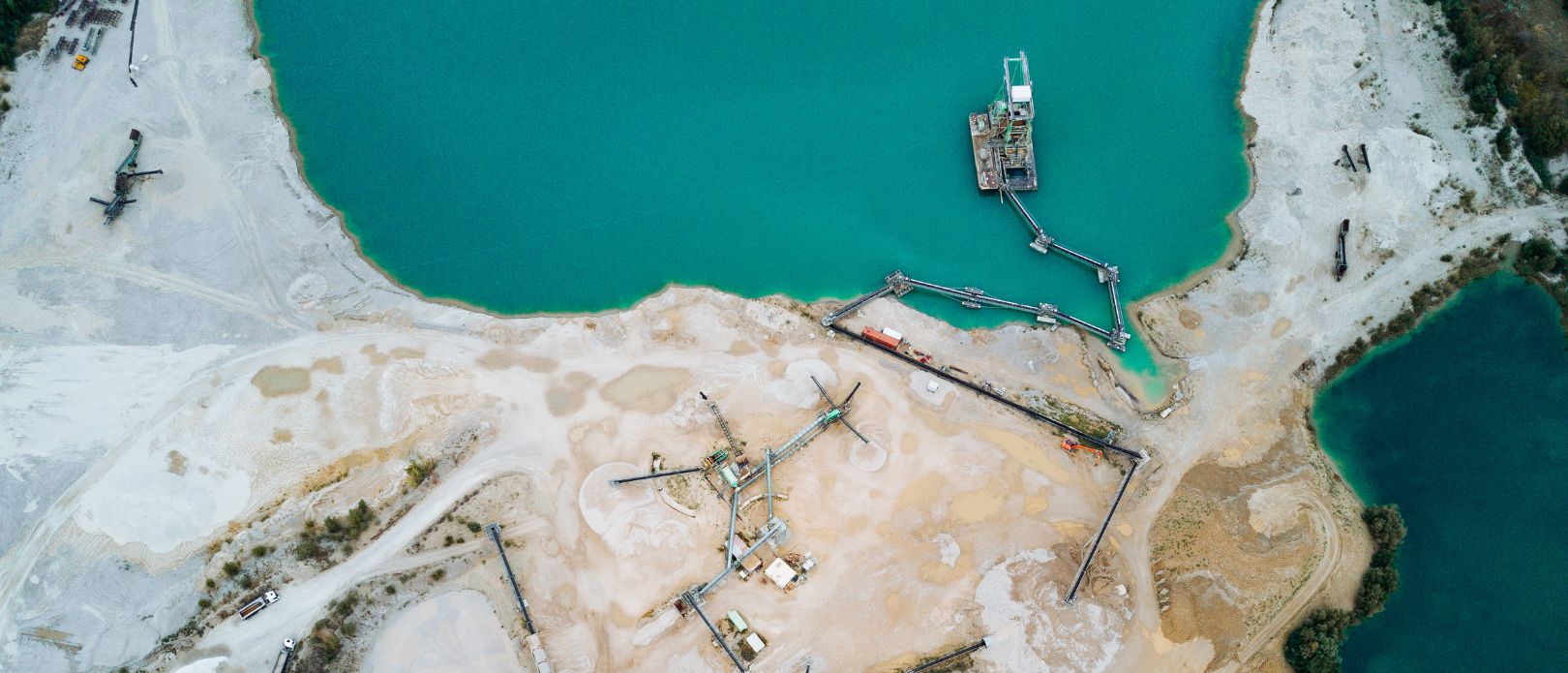
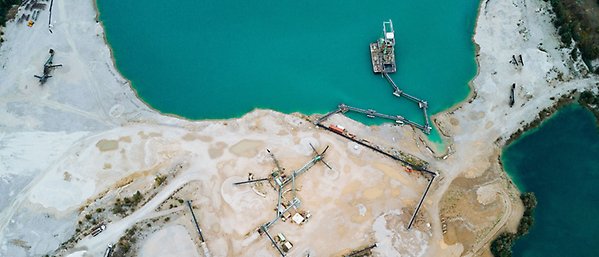
Sand, gravel, and crushed rock are now the most extracted materials on Earth. Photo: Drazen_ via Canva.
Sand is a critical material in the Anthropocene. But while a lot of research focuses on sand extraction, few studies have so far looked at solutions. A new article changes that.
- Sand, gravel, and crushed rock are now the most extracted materials on Earth
- But sand extraction often harms rivers, coasts, and communities
- A new study highlights a diverse portfolio of initiatives to find solutions
Every five days, global construction builds enough to add a city the size of Paris. Behind this rapid growth lies materials few people think about: sand and gravel.
The built environment – housing and infrastructure – uses 50% of all extracted materials and accounts for 34% of global industrial process-related carbon emissions. sand, gravel, crushed rocks, and quarry sand (termed “sand” for brevity) are now the most extracted materials on Earth. Yet extraction often harms rivers, coasts, and communities.
“Examining various solutions through the lens of leverage points can help bring about systemic change in how sand is used as a resource, particularly in high-impact sectors like housing and transportation,” says Centre researcher Kiran Pereira, lead author of the study.
A new look at the sand crisis
Pereira and colleagues conducted one of the first global reviews of solutions for transforming how sand is used in the built environment.
Their findings highlight a diverse portfolio of initiatives from over 50 countries, spanning the Global North and Global South, including regenerative materials, circular design, earth construction, bio-based solutions, and policy interventions.
Centre researcher Jean-Baptiste Jouffray, one of the co-authors, says: “We know sand extraction is often unsustainable. We know the impacts that the built environment has on the biosphere. But what are the solutions?”
Sand seeds
Inspired by the Seeds of Good Anthropocenes approach, the team calls these initiatives “sand seeds” – efforts that aim to minimise or avoid sand extraction while supporting equitable and regenerative construction practices.
The results are available as an open database of solutions: an invitation for researchers, practitioners, policymakers, journalists and media persons to overcome research silos and explore viable alternatives to unsustainable construction practices. Maintaining a deliberate focus on solutions, the authors argue, is critical to inspire action toward desirable futures.
Centre affiliate Colette Wabnitz, from Stanford University, one of the co-authors, says: “What’s striking is the diversity of solutions - from innovative practices and state interventions to research that is revitalizing traditional construction methods and helping maintain cultural heritage. The other co-authors of the study are Centre researchers Jan Kuiper and Felix Barbour.
Pereira, K. Barbour, F., Kuiper, J.J., Wabnitz, C.C.C. & Jouffray, J.-B. 2026. A review of initiatives to transform the global sand system. Ecology and Society.
-
How sand mining threatens our planet—and what we can do about it
For most of us, sand is just something that sticks to our feet at the beach. But in the global economy, sand mining is big business — and its’ effects on ecosystems and societies worldwide are often devastating, according to two recent studies by Centre researchers.
-
Time to put ocean sand on the global sustainability agenda
Sand is a key foundation of society, yet on the ocean sustainability front, it remains a blind spot, says new report